

The Leading Qualified Medical Device Supplier Directory
Discover + Source + Connect








Discover Qualified Suppliers You Can Trust
With the Qmed+ directory, you can trust you'll be connected with qualified suppliers, service providers, and consultants to the medtech industry that meet global standards for current good manufacturing practice (cGMP) regulations and quality management systems (QMS). In order to be considered for inclusion in the Qmed+ supplier directory, companies must show qualification through these criteria or proven experience working with medical device manufacturers.


Featured Products
.png)

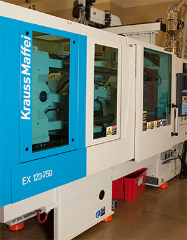
Custom Injection Molding
HTI PlasticsMaterials:We can run all types of resins from commodity to engineered grades, high temperature to filled materi...

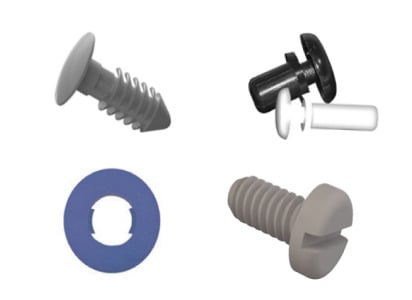
Fasteners
Essentra ComponentsEnsuring your applications are tightly fastened and consistently held together can be a challenge. At Essentra Components we stock a h...

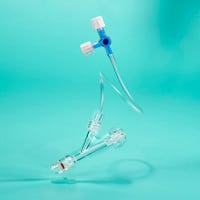
Engineered for Control: Your Go-To Hemostasis Valve for Critical Procedure
QosinaMeet your next problem-solver! Our r...

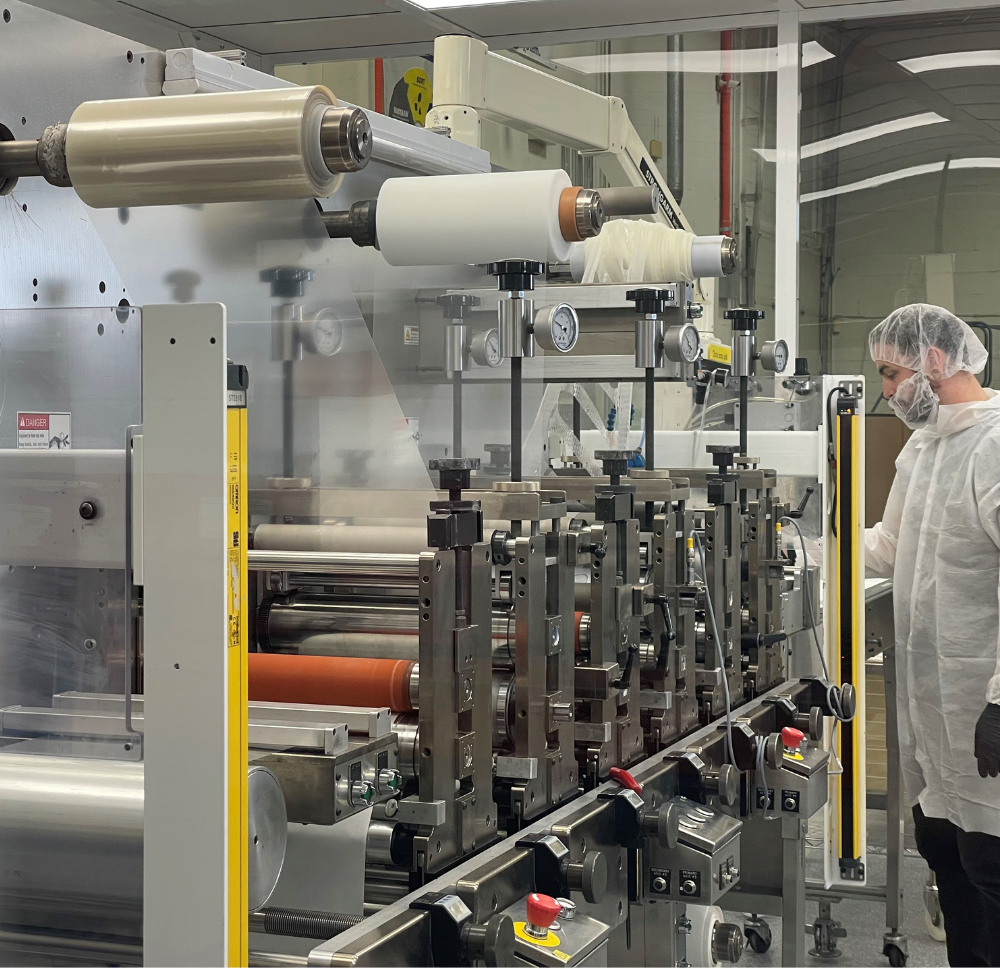
Rotary Die Cutting
JBC TechnologiesJBC Technologies has over a dozen high-speed rotary die-cutting presses ranging from four to ten stations – and from 10”...

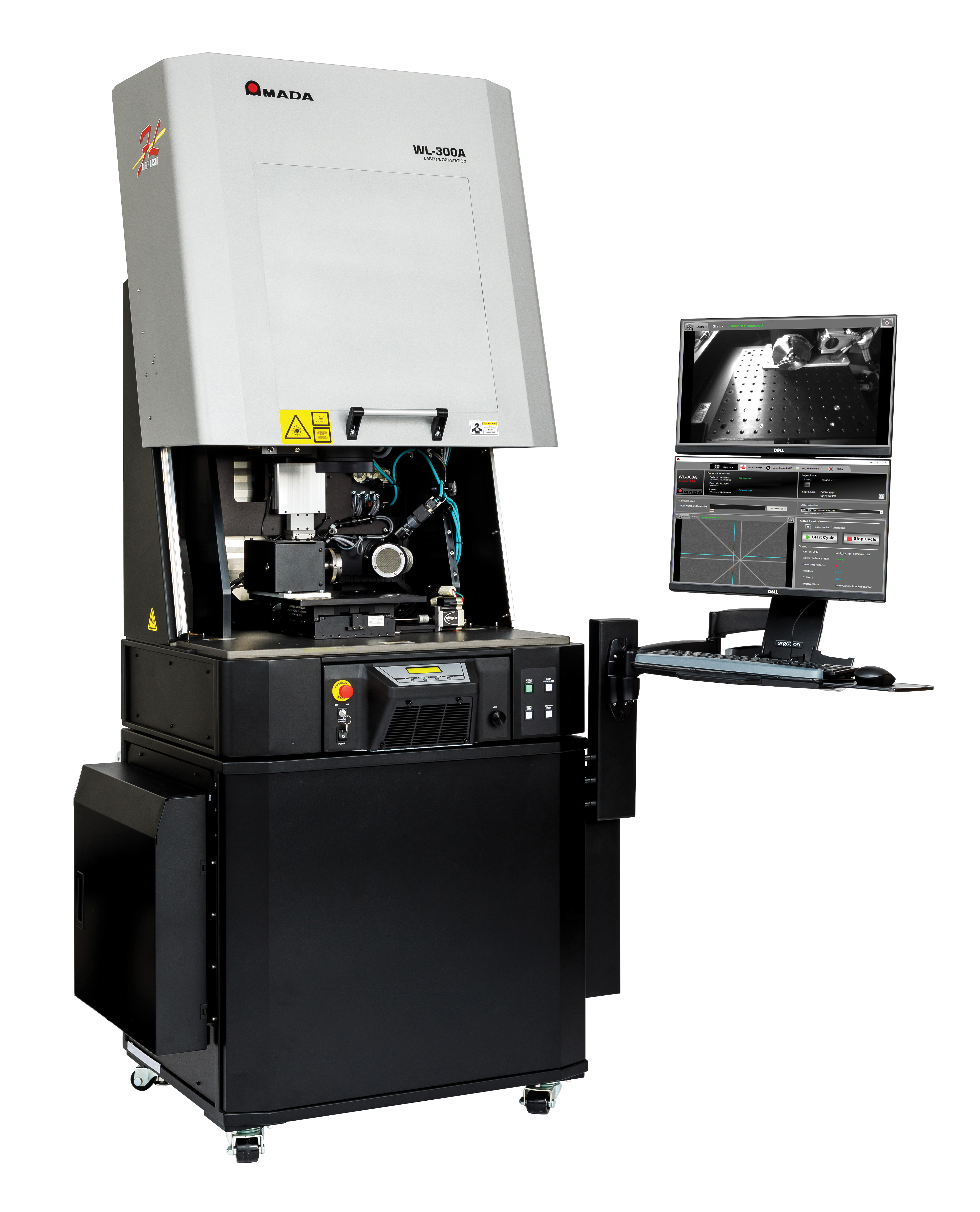
WL-300A Galvo Laser Welding System
AMADA WELD TECHWL-300A Precision Laser Welding Workstation is designed to enhance productivity for small and me...

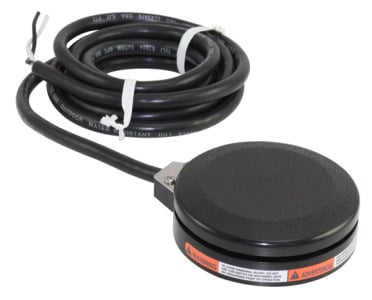
Dolphin 360 Degree Actuation Foot Switch
Linemaster Switch CorporationThe Linemaster Dolphin Foot Switch (D42-SNO28) is a low-profile, sealed foot pedal desi...

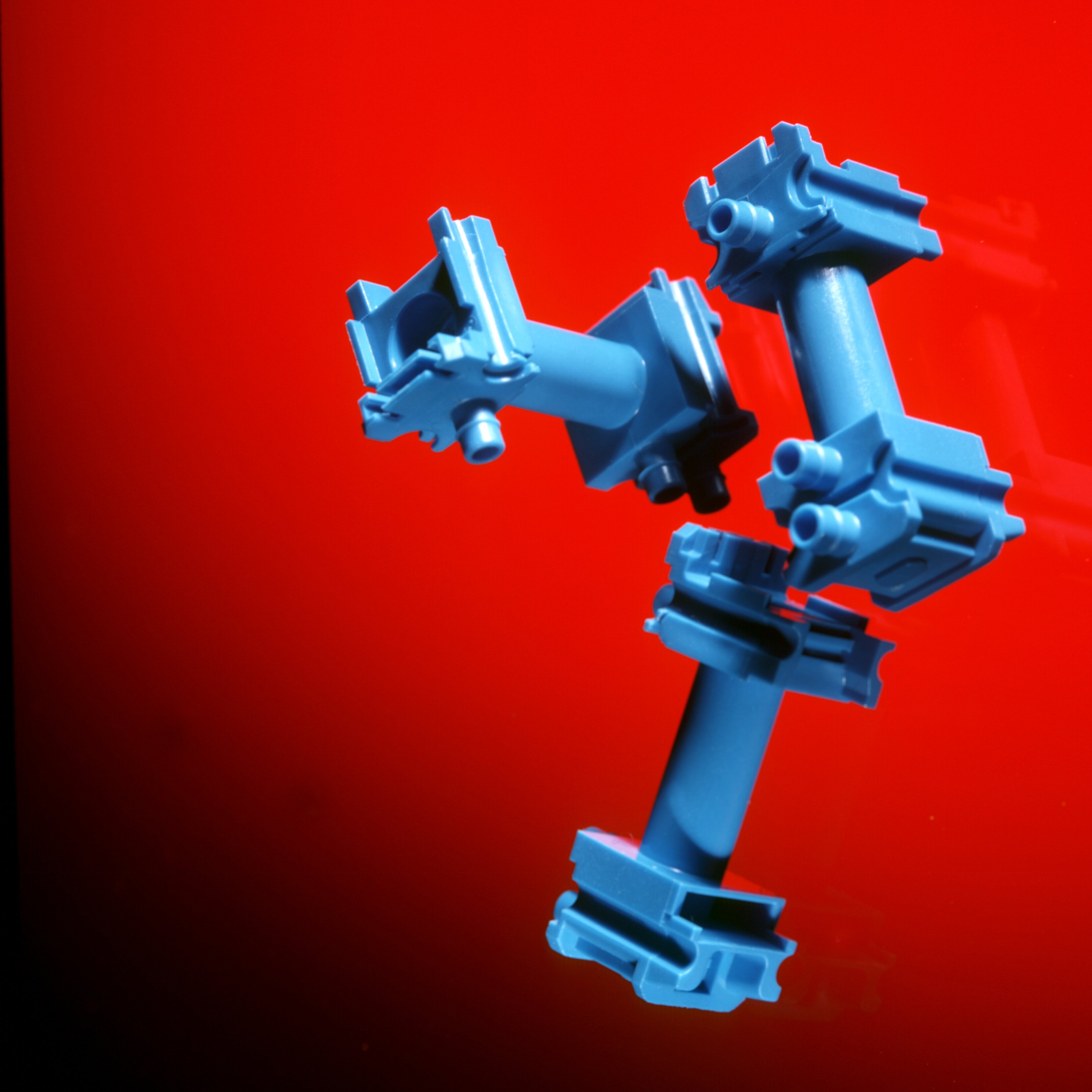
Medical Device and Life Sciences Molding
AccumoldAccumold is the industry leader in Micro-Mold® parts for the medical industry. With ext...

Featured Companies







-comp476215.png)




The Qmed+ directory simplifies and accelerates the new supplier research and discovery process. And it's easy to find exactly what you need: Search suppliers to the medical device industry by keyword or by product or service category.
Within each supplier's directory listing, you'll find a comprehensive company overview, contact information, qualifications, products and capabilities, supplemental resources, and ways to connect.
Discover and contact thousands of pre-qualified suppliers to the medical device and in vitro diagnostics industry. Start your sourcing journey now!
Medical device and diagnostics manufacturing is a fast-moving and highly regulated industry. Today, new and exciting technologies are enabling the creation of innovative medical products that are improving patient care by leaps and bounds. At the same time, the global web of regulatory requirements governing how those products are designed, developed, and produced is growing ever more complex. As a result, it’s becoming less and less likely that individual medical technology manufacturers have all the experience and capabilities they need—from design and development to manufacturing and regulatory affairs—in house.
Medical device manufacturers today can’t do it all themselves, so they must turn to outsourcers—design firms, testing labs, contract manufacturers, component and equipment suppliers, and consulting firms—to help bring their innovations to market. But finding trusted partners in the scattered landscape of medtech suppliers and service providers is no small task.
That’s why we created Qmed, the world’s only directory of pre-qualified suppliers and service providers to the medical device and diagnostics industry. For nearly a decade, Qmed’s powerful search tool and online directory have enabled medtech manufacturers to connect with relevant partners that can help fill the gaps in their current capabilities and help speed their life-saving and -improving medical devices to market.
When medical device manufacturers turn to the Qmed directory for help in finding qualified outsource partners, they can trust they’ll be connected with suppliers, service providers, and consultants that meet global standards for good manufacturing practice and quality control, and which have relevant experience in the complex and evolving medtech industry.
In order to be considered for inclusion in the Qmed directory, companies must show qualification through some of the following criteria:
- ISO 9001 certification
- ISO 13485 certification
- CGMP compliance
- FDA registration
- Demonstrated experience with clients in the medical device or in vitro diagnostics space
Supplier News

Nautilus Fluidics Simulation Application Now Available for Customer Use
KNF NeubergerKNF’s Nautilus web-based software applica...

Velosity Named 2026 Manufacturer of the Year by Manufacturers Alliance
VelosityRecognition highlights Velosity’s commitme...
West to Highlight Industry Leadership in Packaging and Containment at CPHI Worldwide
West Pharmaceutical Services, Inc.West Pharmaceutical S...

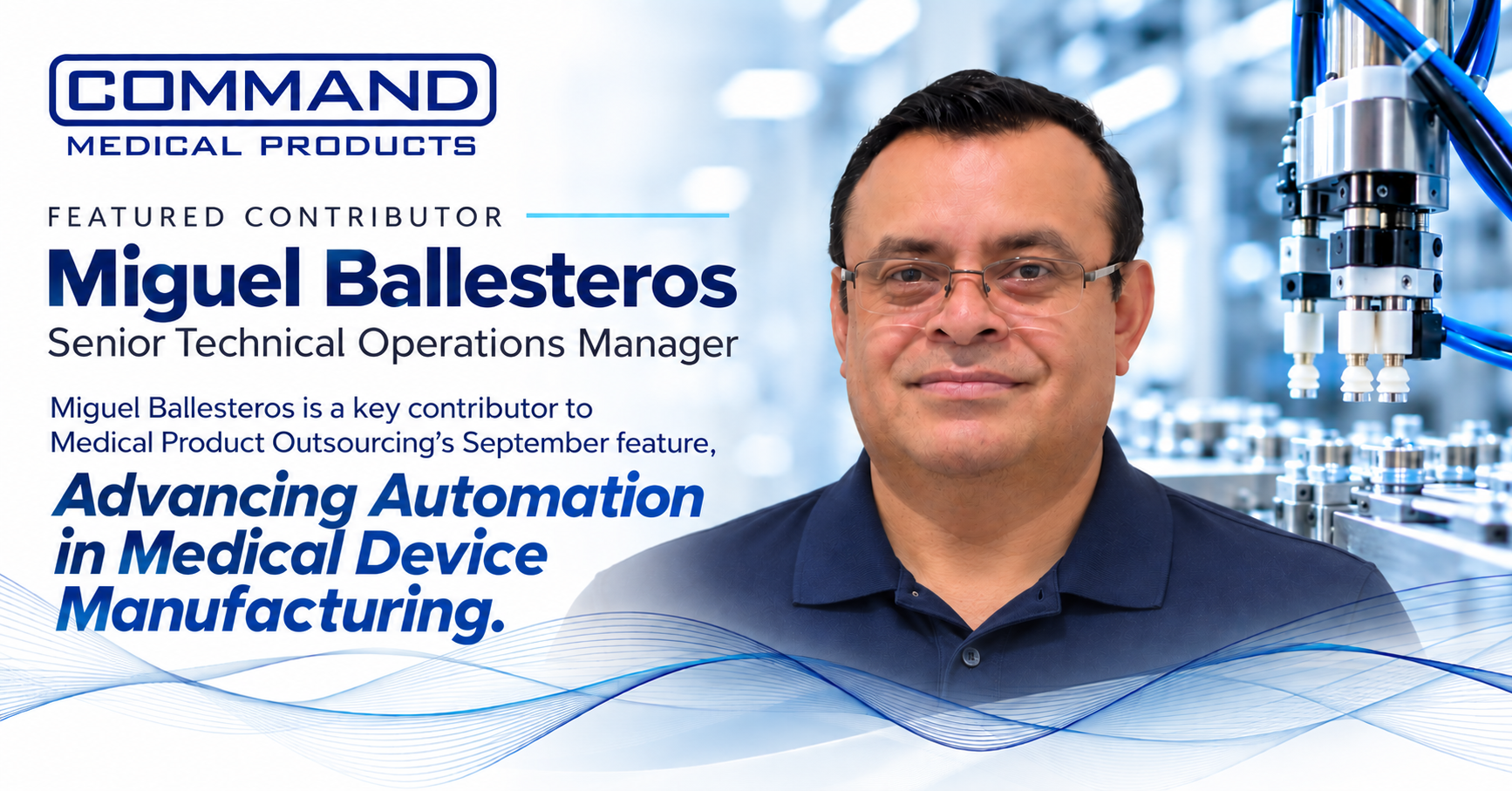
Advancing Automation in Medical Device Manufacturing
Command Medical Products LLCCommand Medical Products’ Senior Technical Operations Manager, Miguel...

Forj Medical Opens Costa Rica Manufacturing Facility to Expand Nearshore Capacity
Forj MedicalThe medical device CDMO's ...

Lighteum Medical Appoints Gaurav Agarwal as Chief Executive Officer
Lighteum MedicalExperienced MedTech Executive to Lead with a Fo...
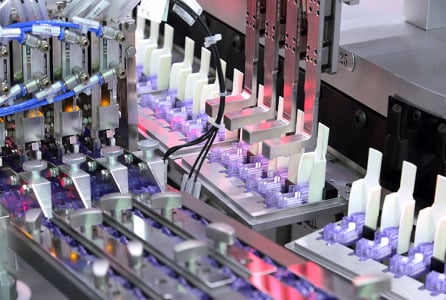
Delivering Life-Changing Insulin Therapy at Scale for People Living with Diabetes
JR AutomationSince its release, Afrezza...

PLITEK® Receives SBTi Approval for Science-Based Greenhouse Gas Reduction Targets
Plitek, LLCPLITEK® is proud to announ...
EMC Design Considerations for Medical Foot and Hand Controls: What Engineers Need to Know
Linemaster Switch CorporationElectromagneti...

HiArc to showcase integrated control system HiArc Ctrl at ADLM 2026
HiArcMedTech innovator HiArc will be exhibiting at ...